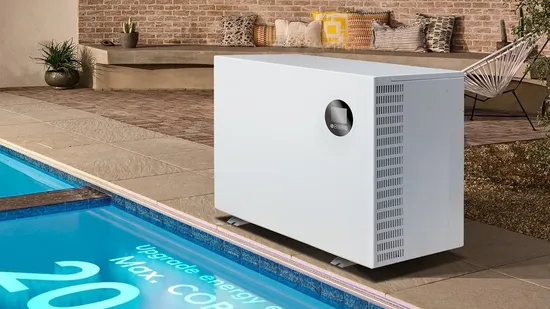


The future of water heating is changing rapidly as homeowners and businesses look for more efficient, sustainable, and cost-effective ways to meet their hot water needs. Traditional systems such as electric resistance heaters, gas boilers, and conventional storage tanks have served for decades, but modern technologies are creating new possibilities. Among these innovations, heat pump technology is becoming an increasingly important solution for efficient water heating in residential, commercial, and industrial settings.
Modern heat pump systems work differently from traditional water heaters. Instead of generating heat directly, they transfer available heat from the surrounding air or another source into water. This approach can significantly improve energy efficiency while helping reduce operating costs. As energy prices, environmental concerns, and sustainability goals continue to influence purchasing decisions, heat pump solutions are expected to play a larger role in the future of hot water production.
Understanding Modern Heat Pump Water Heating
A heat pump water heating system uses electricity to move thermal energy from one location to another. In many systems, heat is extracted from the surrounding air and transferred to a refrigerant. The refrigerant is then compressed, increasing its temperature, before the heat is transferred to the water stored inside a tank.
This process allows the system to produce hot water while using less electricity than conventional electric resistance heating. Although the system still requires electrical energy to operate components such as compressors and fans, its ability to transfer existing heat makes it highly efficient.
The technology has advanced considerably over the years. Modern systems can feature intelligent controls, variable-speed compressors, improved insulation, and advanced heat exchangers. These developments help provide reliable performance while adapting operation to changing household or business demands.
Why Heat Pumps Are Becoming More Popular
Energy efficiency is one of the primary reasons heat pump solutions are attracting attention. Conventional water heaters often consume substantial energy because they must continuously generate heat. Heat pumps, by comparison, focus on transferring heat, which can reduce the amount of electricity required to produce the same quantity of hot water.
For homeowners, this can translate into lower energy consumption over time. For businesses with large hot water requirements, such as hotels, restaurants, gyms, hospitals, and apartment buildings, improving efficiency can have an even greater financial impact.
Another major factor is environmental sustainability. As electricity grids increasingly incorporate renewable energy sources, electric heat pump systems can become an important part of low-carbon building strategies. When paired with solar panels or other renewable energy systems, heat pumps can contribute to a more sustainable approach to water heating.
Smart Technology and Intelligent Controls
The future of water heating is not only about the heat pump itself. Smart technology is also changing how hot water systems are controlled and managed. Modern systems can include digital interfaces, remote monitoring, scheduling functions, and automated temperature management.
Smart controls allow users to adjust system operation according to their daily routines. A household, for example, may schedule heating during periods when hot water demand is highest or when electricity costs are lower. Businesses can similarly optimize operation around occupancy levels and operating hours.
Some advanced systems can monitor energy consumption and provide performance information. This data can help property owners identify inefficient usage patterns and make informed decisions about system settings. Over time, smart controls may become a standard feature in residential and commercial heat pump installations.
Applications for Modern Homes
Residential buildings are an important market for advanced heat pump water heating solutions. Families often require hot water for showers, baths, kitchens, laundry, and cleaning. As homes become more energy efficient, homeowners are increasingly interested in systems that can reduce utility costs without compromising comfort.
Heat pump water heaters can be installed in many residential environments, depending on available space, climate, hot water demand, and system design. Modern models are available in different capacities, making it possible to select equipment based on household requirements.
For new homes, heat pumps can be incorporated into the building’s overall energy strategy from the planning stage. For existing properties, replacing an aging conventional water heater with a modern heat pump system may provide an opportunity to improve efficiency while upgrading the hot water infrastructure.
Commercial and Business Opportunities
Businesses often have more complex hot water requirements than individual households. A hotel may need hot water for hundreds of guests, while a restaurant may require it for food preparation, cleaning, and sanitation. Healthcare facilities and fitness centers can also have substantial demand.
Modern heat pump systems can be designed for larger applications and integrated with storage tanks, backup heating systems, and other technologies. Depending on the project, multiple heat pumps may be combined to provide greater capacity and operational flexibility.
For businesses, the potential benefits extend beyond energy savings. Efficient equipment can support sustainability targets, improve operational planning, and reduce dependence on fossil fuels. In industries where environmental performance is increasingly important to customers and investors, modern water heating technology can also contribute to a company’s broader sustainability strategy.
The Role of High-Efficiency Heat Pump Systems
One of the most promising developments is the continued improvement of heat pump efficiency. Manufacturers are investing in better compressors, refrigerants, heat exchangers, and control systems. These improvements can help systems operate effectively across a wider range of conditions.
Cold-climate performance is another important area of development. Earlier heat pump technologies could experience limitations in colder environments, but newer designs are becoming more capable of maintaining useful performance in challenging conditions. This expansion could make heat pump water heating practical for a wider range of geographic regions.
The use of environmentally responsible refrigerants is also becoming increasingly significant. As regulations and sustainability expectations evolve, manufacturers are exploring refrigerant options with lower environmental impact while maintaining strong system performance.
Integration With Renewable Energy
The combination of heat pumps and renewable electricity could define the next generation of water heating. Solar photovoltaic systems, for example, can generate electricity that powers a heat pump during periods of strong sunlight. Excess renewable electricity can potentially be used to heat and store water, effectively turning a hot water tank into a form of thermal energy storage.
This approach can help households and businesses make better use of renewable energy. Instead of wasting surplus electricity or sending it back to the grid, users may be able to convert it into stored thermal energy for later use.
As energy management systems become more advanced, heat pumps may automatically respond to electricity prices, solar generation, weather forecasts, and hot water demand. This could create smarter and more flexible energy systems for buildings.
Installation and Maintenance Considerations
Choosing the right heat pump solution requires careful planning. Factors such as climate, available installation space, water demand, tank capacity, electrical requirements, and existing infrastructure should all be considered.
Professional installation is important because correct system sizing and configuration can influence efficiency and performance. An oversized or undersized system may not operate as effectively as expected. Proper placement is also essential, particularly for air-source systems that require suitable airflow.
Regular maintenance can help preserve long-term performance. Depending on the equipment, maintenance may include checking filters, inspecting connections, monitoring system components, and ensuring that the heat exchanger and surrounding area remain clean.
A More Sustainable Future
The future of water heating is likely to be defined by efficiency, electrification, automation, and renewable energy integration. Heat pump technology is positioned at the center of these trends because it offers a practical way to reduce energy consumption while providing reliable hot water.
For homeowners, the technology can support lower operating costs and improved energy efficiency. For businesses, it can provide a scalable solution for significant hot water demands while supporting environmental goals. As technology continues to advance, heat pumps are likely to become quieter, smarter, more efficient, and easier to integrate into modern buildings.
Ultimately, the transition toward advanced water heating solutions is about more than replacing old equipment. It represents a broader shift toward intelligent energy management and sustainable building design. With continued innovation, modern heat pump systems could become a key component of the future energy landscape, helping homes and businesses meet their hot water needs in a cleaner, more efficient, and increasingly connected world.