

Introduction
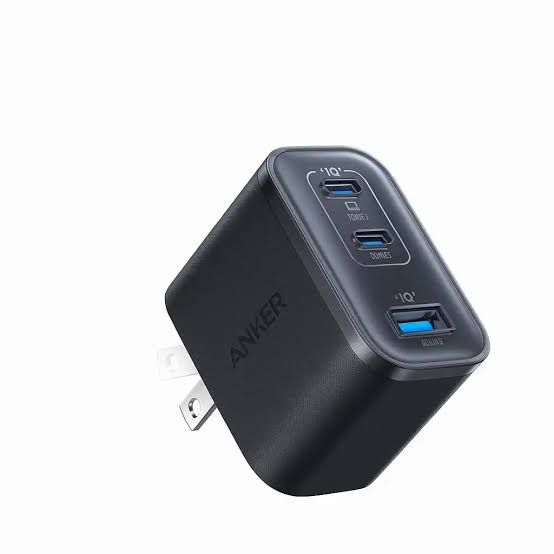
Technology has become an essential part of modern life. From smartphones and laptops to smartwatches, wireless earbuds, fitness trackers, and smart rings, people rely on digital devices for communication, entertainment, productivity, and personal wellness. With new products entering the market regularly, choosing the right gadget can sometimes feel 70W USB C charger confusing. Different brands offer similar features, prices vary significantly, and advertisements often highlight benefits without explaining potential limitations. This is where gadget and tech reviews become valuable.
Gadget and tech reviews help consumers understand products before spending their money. They provide information about performance, design, features, durability, usability, and overall value. By reading detailed reviews, watching product demonstrations, and comparing different options, buyers can make informed decisions that match their needs and budgets.
Whether someone is planning to purchase a new smartphone, upgrade a computer, or explore wearable technology, reliable reviews can simplify the decision-making process. Instead of relying entirely on promotional claims, consumers can learn about real-world experiences, practical advantages, and possible drawbacks.
Understanding how to evaluate reviews is equally important. Not every review is unbiased, and individual experiences can differ. Learning how to identify trustworthy information allows buyers to use technology reviews effectively and avoid unnecessary purchases.
Understanding the Importance of Gadget and Tech Reviews
Gadget and tech reviews serve as a bridge between product manufacturers and potential customers. They explain technical information in accessible language, helping readers understand what a device offers and whether it is suitable for everyday use.
A product description might list specifications such as processor speed, battery capacity, display resolution, storage, or sensor technology. However, these specifications do not always explain how a device performs in real-life situations. Reviews explore the practical meaning of these features and help readers understand their relevance.
For example, a smartphone with a large battery capacity may appear impressive on paper. A useful review examines how long the phone lasts during browsing, video playback, gaming, and regular communication. Similarly, a laptop review may explain whether the keyboard is comfortable, the display is suitable for studying, and the device remains responsive during multitasking.
These practical details help buyers look beyond marketing language and focus on meaningful benefits.
Making Product Information Easier to Understand
Modern gadgets frequently include advanced technologies that may be unfamiliar to ordinary consumers. Features such as artificial intelligence, biometric sensors, wireless connectivity, and health-related tracking can sound complicated without clear explanations.
Technology reviews break down these features into understandable information. They explain what a function does, how it works in general, and when it might be useful.
This is particularly helpful when comparing wearable devices. A smart ring, for instance, may offer sleep monitoring, activity tracking, and heart rate measurements. A review can explain how these functions fit into a daily routine and which limitations consumers should consider before purchasing.
By translating technical specifications into practical information, reviews make technology more accessible to beginners and experienced users alike.
Comparing Different Products Before Buying
One of the greatest benefits of reading gadget reviews is the ability to compare several products before making a final choice. Devices within the same category can have different strengths, even when their specifications appear similar.
A comparison can help consumers evaluate price, functionality, compatibility, build quality, battery performance, and available support. It also reveals which features distinguish one product from another.
Evaluating Features That Matter Most
Not every buyer needs the same features. A student may prioritize portability, battery life, and affordability when selecting a laptop. A photographer may care more about camera performance, storage, and display accuracy. Someone interested in wearable technology may prioritize comfort, tracking options, and battery life.
Reading reviews helps buyers identify which specifications are important for their personal circumstances.
Rather than choosing a product simply because it offers the greatest number of features, consumers can focus on functionality they will genuinely use. This approach reduces the risk of paying extra for unnecessary capabilities.
Comparing Products Within a Budget
Price is often a major consideration when purchasing electronic devices. Expensive products sometimes offer premium materials, advanced functionality, or better performance, but a higher price does not automatically guarantee better value for every customer.
Budget-friendly gadgets may provide all the essential functions a buyer needs. Reviews help reveal whether a more affordable alternative can satisfy those requirements without significant compromises.
For example, someone considering a smart ring might compare available models based on design, charging requirements, tracking features, smartphone compatibility, and ongoing subscription costs. These comparisons make it easier to understand the total value of each option.
A sensible purchasing decision balances affordability with reliability, usefulness, and long-term ownership costs.
Learning About Real-World Performance
Product specifications provide useful information, but everyday performance often determines whether a gadget becomes a satisfying purchase. Reviews can offer insight into how devices behave outside controlled demonstrations.
Real-world testing may cover speed, responsiveness, comfort, connection stability, charging time, battery endurance, and ease of use.
Understanding Battery Life and Charging
Battery performance is particularly important for portable electronics. Smartphones, tablets, wireless headphones, smartwatches, and smart rings must provide enough operating time to fit into a user’s routine.
A review may explain whether a device lasts through a typical day, requires frequent charging, or takes considerable time to recharge. It may also describe how battery performance changes when demanding features are used frequently.
These observations help buyers establish realistic expectations rather than relying exclusively on manufacturer estimates.
Checking Reliability and Everyday Usability
A device can offer impressive features while still being inconvenient to use. Complicated menus, unreliable connections, uncomfortable materials, or inconsistent software can reduce its usefulness.
Detailed reviews often discuss these everyday concerns. They may explain how quickly a device connects to other products, whether its controls are intuitive, and how easily users can access important settings.
For wearable devices, comfort is another important consideration. A ring or wrist-worn tracker should fit appropriately and feel manageable during ordinary activities. Reviews can describe design characteristics, although individual comfort depends on personal preferences and proper sizing.
Understanding these practical factors helps consumers choose products that fit naturally into their lives.
Identifying Product Advantages and Limitations
Advertisements generally emphasize a product’s most attractive features. Independent reviews can provide a broader perspective by discussing both benefits and disadvantages.
No electronic device is perfect for every user. A product might offer excellent portability but limited storage, an attractive design but fewer customization options, or extensive functionality with a higher price.
Recognizing Potential Drawbacks
A balanced review should explain limitations clearly. These might include short battery life, restricted compatibility, software problems, limited repair options, or missing features that competitors provide.
Learning about these issues before purchasing gives buyers an opportunity to decide whether the compromises are acceptable.
For example, a wearable device might provide useful activity information but require a compatible smartphone for accessing detailed reports. Another product might include several tracking features while offering limited customization. These differences matter because they affect the overall experience.
Avoiding Unrealistic Expectations
Technology marketing sometimes creates expectations that a device cannot consistently meet in every situation. Reviews can help readers distinguish practical performance from promotional claims.
Consumers should pay particular attention to reviews that explain testing methods, provide specific examples, and acknowledge limitations. Such information is generally more useful than exaggerated statements suggesting that a product is perfect.
Realistic expectations support greater satisfaction because buyers understand what a gadget can reasonably accomplish before purchasing it.
How Reviews Help Consumers Save Money
Gadget and tech reviews can support better financial decisions by helping buyers avoid unnecessary upgrades, unsuitable products, and unexpected expenses.
Purchasing a device that does not meet basic requirements can lead to additional spending on accessories, replacement products, repairs, or subscriptions. Reviewing options beforehand may reduce these risks.
Understanding the Total Cost of Ownership
The initial purchase price is only one part of the cost of owning technology. Some devices require additional accessories, replacement batteries, paid applications, cloud storage, or recurring subscriptions.
A thorough review may highlight these extra expenses and help consumers calculate the longer-term cost.
Smart rings and other wearable devices provide a useful example. Before buying, consumers should check whether the product requires a subscription to access particular features, whether a charger is included, and whether compatible applications are available without additional fees.
Understanding these details prevents surprises after checkout.
Knowing When an Upgrade Is Necessary
New technology appears frequently, but the latest model is not always the most practical choice. A device that still performs well may continue meeting its owner’s needs for years.
Reviews help consumers compare newer products with existing models and determine whether the improvements justify the expense.
For instance, a smartphone upgrade might offer a better camera and faster processor, but those improvements may have limited value to someone who mainly uses messaging, browsing, and basic applications.
By considering actual requirements instead of following every trend, buyers can spend more thoughtfully.
Evaluating Smart Rings and Other Wearable Technology
Wearable technology has expanded beyond traditional watches and fitness bands. Smart rings have become an option for people interested in compact devices that can provide selected activity and wellness-related measurements.
However, choosing a wearable requires more than examining its appearance or reading a list of sensors. Reviews help buyers understand how features, comfort, compatibility, and data presentation affect everyday use.
Understanding Smart Ring Features
Depending on the model, a smart ring may offer functions such as activity tracking, sleep-related measurements, heart rate monitoring, or access to wellness information through a mobile application.
Reviews can explain which features are available, how information is displayed, and what users should know about measurement limitations.
It is important to remember that consumer wearables are not substitutes for professional medical evaluation. Their readings may be affected by fit, movement, sensor design, and other factors. Buyers should check the manufacturer’s documentation to understand the intended use of each feature.
Considering Comfort, Design, and Compatibility
Because smart rings are worn on a finger, sizing and comfort are especially important. Buyers should review the available sizing guidance, materials, water-resistance information, charging arrangements, and compatibility requirements before ordering.
Someone exploring options can research different models and visit a product information page to learn more. If a particular product seems suitable, readers can click here to explore the available details, specifications, and purchasing information on the relevant website.
The phrase is most useful when it leads to a clear, relevant destination rather than an unrelated promotional page.
Determining Whether a Smart Ring Fits Your Lifestyle
The best wearable is not necessarily the most expensive or feature-packed model. It is the one that offers useful functionality without creating unnecessary complexity.
People who prefer compact accessories may appreciate the discreet design of a smart ring. Others may prefer a smartwatch with a larger display, visible notifications, or more interactive controls.
Reviews allow consumers to compare these differences before making a decision. When evaluating this ring or any other wearable, readers should examine its specific features rather than assuming all smart rings offer the same capabilities.
The Role of Customer Feedback in Buying Decisions
Professional reviews provide structured analysis, while customer feedback can reveal experiences that emerge during everyday ownership. Reading both sources gives buyers a broader understanding of a product.
Customer reviews may discuss delivery experiences, packaging, product setup, long-term durability, customer service, and performance after several weeks or months of use.
Looking for Consistent Patterns
A single positive or negative review rarely tells the complete story. Individual customers may have different expectations, technical knowledge, or experiences with the same device.
Instead of focusing on one comment, buyers should look for repeated patterns across multiple reviews.
If many customers mention reliable connectivity, that may indicate a strength worth investigating. If repeated complaints concern charging problems or difficult setup, those issues deserve attention.
However, feedback should still be evaluated carefully. A repeated complaint may relate to a specific production batch, software version, or compatibility problem rather than every unit.
Recognizing Fake or Misleading Reviews
Online reviews are not always authentic or impartial. Some may be sponsored, artificially generated, or written to promote a particular product.
Warning signs include vague praise without specific details, repetitive wording, unsupported claims, and reviews that appear unusually similar. Extremely negative reviews without clear explanations also deserve careful consideration.
Consumers should compare information across several independent sources and prioritize detailed accounts that explain how the product was used.
This approach reduces the influence of misleading feedback and improves the quality of the final decision.
Understanding the Difference Between Sponsored and Independent Reviews
Some reviewers receive free products, affiliate commissions, sponsorship payments, or other benefits from manufacturers and retailers. These arrangements do not automatically make a review unreliable, but readers should understand how they may influence the content.
Responsible reviewers disclose relevant relationships and provide clear explanations of their conclusions.
Checking Transparency and Evidence
A trustworthy review should distinguish personal opinion from verifiable information. It should also explain whether a product was tested directly or evaluated using manufacturer specifications and other published information.
Look for evidence such as original photographs, performance measurements, detailed comparisons, and explanations of testing conditions.
A reviewer who acknowledges disadvantages and explains why certain features matter is often more helpful than someone who offers only praise.
Comparing Multiple Independent Sources
No single review can cover every possible situation. Different reviewers may test devices under different conditions or prioritize different features.
Comparing several credible sources helps identify areas of agreement and disagreement. It also reduces the risk of making a decision based on one person’s preferences.
For important purchases, consumers can combine professional reviews, verified customer feedback, manufacturer documentation, and information about warranty coverage.
Using Technical Specifications Alongside Reviews
Although reviews provide valuable practical insight, technical specifications remain an important part of product research. The most informed decisions combine both types of information.
Specifications help establish what a product officially supports, while reviews explain how those capabilities translate into everyday performance.
Checking Compatibility Requirements
Before buying a gadget, consumers should confirm that it works with their existing devices and software.
For example, a wearable may require a particular operating system version, a smartphone with Bluetooth support, or a compatible application. Computer accessories may depend on specific ports, drivers, or operating systems.
Checking these requirements prevents compatibility problems after purchase.
Reviewing Warranty and Software Support
Long-term usefulness depends partly on manufacturer support. Warranty terms, replacement policies, software updates, security improvements, and repair availability can affect the overall ownership experience.
Reviews sometimes discuss the manufacturer’s support history, but buyers should also consult official documentation for current terms.
A device with useful features may become less convenient if it stops receiving important updates or becomes difficult to repair. Considering support arrangements helps consumers evaluate more than the immediate purchase.
Creating a Practical Research Process Before Buying
A simple research process can make technology shopping more organized and less stressful. Instead of browsing countless products without a clear direction, buyers can follow a few consistent steps.
Step One: Identify Your Needs
Begin by deciding why you need the device. Consider your daily activities, essential features, existing technology, and preferred budget.
Writing down a few priorities makes it easier to ignore features that do not contribute to your goals.
Step Two: Shortlist Suitable Products
Research products that meet your basic requirements. Compare specifications, prices, compatibility, and available support before narrowing the selection.
A shortlist of three or four suitable options is often easier to evaluate than dozens of unrelated products.
Step Three: Read Detailed Reviews
Look for reviews that discuss practical performance, design, limitations, and long-term usability. Give greater weight to transparent testing and specific observations than to broad promotional statements.
Customer feedback can supplement professional analysis by highlighting common ownership experiences.
Step Four: Compare the Overall Value
Consider the purchase price alongside expected lifespan, maintenance requirements, accessories, subscriptions, and warranty coverage.
The cheapest product may not always offer the best value, while a premium device may include features you never use.
Step Five: Verify Information Before Purchasing
Check current specifications, availability, return conditions, and warranty details through reliable sources. Product information can change as manufacturers release updates or retailers revise their listings.
Taking a little extra time to verify important details can help prevent avoidable purchasing mistakes.
Common Mistakes to Avoid When Reading Tech Reviews
Although reviews are useful, consumers should avoid treating them as unquestionable instructions. A review is one source of evidence, not a guarantee that a product will suit everyone.
One common mistake is choosing a device solely because it receives a high rating. Ratings summarize opinions, but they may not reflect the features most important to an individual buyer.
Another mistake is focusing exclusively on technical specifications. More memory, more sensors, or a faster processor may be beneficial, but these improvements should be evaluated in the context of actual needs.
Buyers should also avoid relying entirely on influencers, advertisements, or a single review website. A broader research process offers more balanced information.
Finally, consumers should not overlook return policies and warranty terms. Even carefully researched products may prove unsuitable once used in a particular environment.
How Technology Reviews Support Sustainable Purchasing
Thoughtful buying decisions can also help reduce electronic waste. Replacing devices unnecessarily contributes to discarded electronics, which may contain materials that require careful handling and recycling.
Reviews can help consumers determine whether an existing device remains suitable or whether an upgrade offers meaningful benefits.
They can also highlight repairability, software support, battery replacement options, and product durability when reliable information is available.
Choosing a device that meets current needs and remains useful for a reasonable period may reduce the frequency of replacements. When a gadget reaches the end of its useful life, consumers should look for appropriate recycling or manufacturer take-back programs.
Sustainable purchasing does not require choosing the most expensive or technically advanced product. It involves considering durability, practicality, repair options, and long-term usefulness alongside price and features.
The Future of Gadget and Tech Reviews
As technology evolves, product reviews are likely to become increasingly detailed and specialized. Artificial intelligence features, connected home systems, wearable sensors, augmented reality devices, and advanced computing products create new questions for consumers.
Future reviews may place greater emphasis on privacy, data protection, energy efficiency, repairability, software support, and compatibility across different platforms.
Video demonstrations and interactive comparisons can also help buyers understand how products perform in practical situations. However, new formats do not eliminate the need for accuracy, transparency, and independent judgment.
Readers will continue to benefit from reviews that explain complicated technology clearly and distinguish verified facts from personal impressions.
The most useful reviews will remain focused on the same central purpose: helping people understand their options and select products that offer meaningful value.
Conclusion
Gadget and tech reviews play an important role in helping consumers make smarter buying decisions. They explain technical features, compare competing products, reveal practical advantages and limitations, and provide insight into everyday performance. When used carefully, they can also help buyers manage costs, avoid unsuitable purchases, and understand the long-term responsibilities of owning electronic devices.
The key is to evaluate reviews critically rather than accepting every recommendation at face value. Readers should compare independent sources, check customer feedback, verify specifications, and consider their own requirements before choosing a product.
Whether researching a smartphone, laptop, fitness tracker, or smart ring, the same principles apply. Evaluate functionality, compatibility, comfort, reliability, price, and support before committing to a purchase.
Ultimately, informed consumers do not simply buy the newest or most heavily advertised gadgets. They research their options, understand the available evidence, and choose technology that fits their daily lives. By making gadget and tech reviews part of the buying process, anyone can approach technology shopping with greater confidence, clearer expectations, and a stronger understanding of value.