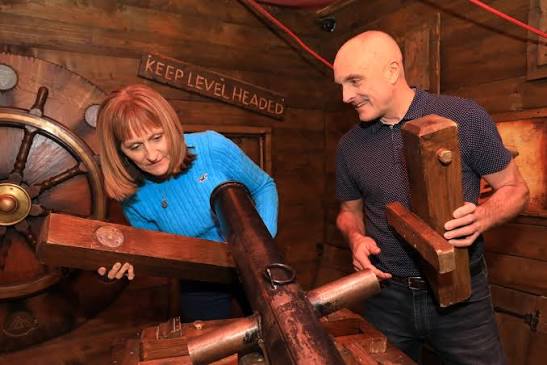

In the modern corporate landscape, fostering a cohesive and high-performing team is a constant priority for organizations of all sizes. Traditional team-building activities, such as trust falls, generic icebreakers, or standard office parties, often feel forced and fail to spark genuine engagement. Today, leaders are constantly searching for innovative, immersive experiences that break down professional silos and create lasting bonds among colleagues. Enter the escape room: an interactive, live-action adventure where teams are locked in a themed room and must solve a series of puzzles, riddles, and challenges within a strict time limit to escape. Far beyond just a fun hour out of the office, an escape room serves as a powerful catalyst for team building and collaboration, offering a unique environment where workplace dynamics naturally reveal themselves and improve.
The Evolution of Team Building
For decades, human resources departments and managers have experimented with various strategies to unite disparate workers. The goal has always been simple: to improve communication, build trust, and enhance problem-solving capabilities. However, traditional exercises frequently suffer from low participation rates and a general sense of cynicism among employees who view them as a chore rather than a benefit.
As workplace culture has shifted toward valuing authenticity, experiential learning, and psychological safety, team building has had to evolve. People learn best by doing, and they bond most effectively when facing a shared challenge that requires collective effort. An escape room bridges the gap between entertainment and professional development by placing participants in a high-stakes, low-risk environment. It demands active participation from every single team member, transforming passive observers into engaged contributors.
Breaking Down Communication Barriers
Effective communication is the bedrock of any successful organization, yet it remains one of the most common pain points in the workplace. Misunderstandings, hierarchical friction, and silos often prevent information from flowing freely across departments. An escape room acts as an immediate equalizer and a masterclass in communication.
Once the door locks and the countdown timer begins, communication becomes an urgent necessity. Clues are scattered across the room, hidden in plain sight, or embedded within complex puzzles. No single person can solve everything on their own; success relies entirely on sharing information accurately and listening actively. Team members must voice their discoveries, articulate their thought processes, and update one another on which puzzles remain unsolved.
Moreover, the physical environment of an escape room helps strip away corporate hierarchies. An intern might spot a crucial pattern that a senior manager overlooks, or an introverted developer might find their voice when deciphering a complex code. When everyone speaks up and contributes to a common goal, communication channels open up in a way that rarely happens during standard conference room meetings.
Identifying and Leveraging Strengths
Every individual brings a unique set of skills, cognitive styles, and perspectives to the workplace. However, in day-to-day operations, it can be difficult to fully recognize and leverage these diverse strengths, especially when employees stay confined to their routine job descriptions.
An escape room is designed to test a wide variety of competencies. Some puzzles require sharp logical reasoning and mathematical prowess, while others demand spatial awareness, pattern recognition, or out-of-the-box creative thinking. There are physical challenges, word games, tactile manipulation tasks, and observational riddles.
Because the challenges are so multifaceted, different team members naturally step up at different moments. A detail-oriented accountant might excel at spotting numerical sequences, while a creative designer might crack a visual cipher. Witnessing colleagues shine in unexpected ways fosters deep mutual respect. Team members learn to recognize each other’s hidden talents, establishing a framework for how they can better delegate and trust one another back at the office.
Thriving Under Pressure as a Unit
Deadlines, shifting priorities, and unexpected obstacles are a reality of modern business life. How a team reacts under pressure often dictates whether a project succeeds or fails. An escape room introduces a healthy, artificial sense of urgency through its ticking clock, typically set at sixty minutes.
This time constraint simulates high-pressure work environments without the actual stress or consequences of missing a business objective. As the minutes tick down, teams experience a surge of adrenaline. This pressure tests their ability to remain calm, maintain focus, and avoid panic.
When facing a ticking clock, teams quickly realize that chaos is the enemy of progress. Fragmented efforts lead to wasted time and missed clues. To succeed, they must organize themselves, prioritize tasks, and manage their collective time efficiently. Learning how to stay focused, encourage one another, and maintain morale when time is running low translates directly into resilience back in the professional arena.
Cultivating Trust and Psychological Safety
Trust cannot be demanded; it must be earned through shared experiences and vulnerability. In a traditional office setting, employees can sometimes be hesitant to share ideas or admit mistakes out of fear of judgment.
An escape room creates a concentrated burst of shared vulnerability. Everyone is on equal footing, trying to solve unfamiliar puzzles under time pressure. Mistakes will be made—false leads will be pursued, and dead ends will be reached. How a team handles these missteps reveals a lot about their culture of psychological safety.
When a team laughs off a mistake, pivots quickly, and encourages a teammate who hit a roadblock, they are practicing high-level emotional intelligence and trust-building. This shared triumph over a challenging obstacle creates an emotional anchor. Back at work, team members who successfully conquered an escape room together feel a stronger sense of camaraderie, knowing they have each other’s backs when things get difficult.
Bridging Gaps Across Departments
In larger companies, cross-functional collaboration is vital for innovation, yet departments often operate in isolated bubbles. Marketing rarely interacts with engineering, and finance rarely collaborates with customer support. This lack of cross-departmental understanding can lead to friction and misaligned goals.
Organizing an escape room trip for mixed groups—where individuals from entirely different departments are placed on the same squad—is an incredible way to break down these organizational walls. Working together to solve tactile and mental puzzles forces people to understand how their peers think and approach problems. It builds empathy, humanizes colleagues whom they might otherwise only know as an email address, and fosters cross-departmental friendships that streamline future work projects.
Transforming Insights into Everyday Action
The true value of any team-building exercise lies in what happens after the event concludes. While escaping the room in time provides an immediate rush of satisfaction, the real triumph is translating those experiential lessons into daily workplace habits.
Post-escape debriefs are a fantastic way to solidify these takeaways. Managers can prompt their teams to discuss what strategies worked, where communication broke down, and how different members contributed. Did the team establish a clear leader, or did they operate through a decentralized consensus? Did they listen effectively when someone shared a brilliant idea?
By reflecting on these dynamics, teams can consciously apply their newfound insights to upcoming projects. They can implement better communication protocols, establish clearer roles during high-stress situations, and appreciate each other’s diverse cognitive styles.
Conclusion
In a world where workplace connectivity is more crucial yet more challenging to maintain than ever, investing in meaningful team-building experiences is essential. Traditional outings often fall flat, but immersive adventures offer a proven alternative. By combining high-stakes fun, diverse intellectual challenges, and collaborative urgency, an escape room provides an unmatched environment for teams to grow closer. It strips away corporate titles, highlights individual strengths, refines communication, and builds unshakeable trust. For organizations looking to inspire their workforce, boost morale, and drive genuine collaboration, stepping into an escape room is undoubtedly a brilliant choice.