

Introduction
Modern automotive enthusiasts are constantly looking for ways to improve vehicle performance, handling, and appearance. While engine upgrades and suspension modifications often receive considerable attention, wheels also play an important role in the overall driving experience. Lightweight custom forged wheels have become a popular option for drivers who want to combine strength, reduced weight, attractive styling, and responsive handling.
Unlike conventional cast wheels, forged wheels are manufactured using a process that compresses solid metal under high pressure to create a strong wheel structure. This manufacturing method allows engineers to develop designs that balance durability with weight reduction. When properly engineered for a specific vehicle, lightweight forged wheels can contribute to improved acceleration response, braking performance, and steering precision.
Understanding how these wheels work and what makes them different can help drivers make informed decisions when upgrading their vehicles.
What Are Lightweight Custom Forged Wheels?
Lightweight custom forged wheels are wheels manufactured from metal, commonly aluminum alloy, using a forging process. During production, substantial pressure shapes the material into a dense structure before additional machining creates the required dimensions, spoke patterns, and mounting features.
The term lightweight refers to a wheel designed to minimize unnecessary mass without compromising essential structural strength. Customization allows manufacturers to adapt wheel dimensions, finishes, offsets, and designs to different vehicles and personal preferences.
These wheels are available in various diameters, widths, spoke configurations, and surface treatments. Drivers can select a style that complements their vehicle while considering practical requirements such as tire compatibility, load capacity, and suspension clearance.
The combination of engineering and personalization makes forged wheels appealing to sports car owners, performance enthusiasts, luxury vehicle drivers, and people who appreciate distinctive automotive styling.
How Forging Improves Wheel Strength
The Forging Manufacturing Process
Forging begins with a suitable metal billet that is subjected to high pressure. This process shapes the material into a wheel blank, which is subsequently machined to achieve the desired design and precise measurements.
The process can produce a dense material structure with favorable mechanical properties. Manufacturers then carefully remove excess material from areas where it is unnecessary, creating the final spoke design and other structural features.
Quality control remains essential throughout production. Dimensional accuracy, material consistency, and structural testing help determine whether a wheel meets the requirements for its intended application.
Strength Without Unnecessary Weight
One major advantage of forged construction is the ability to create strong wheel designs with less material in selected areas. Engineers can optimize spoke thickness, barrel construction, and other features according to the expected forces acting on the wheel.
However, not every forged wheel is automatically lighter or stronger than every cast alternative. Actual performance depends on the alloy, engineering, dimensions, manufacturing quality, and design. Buyers should therefore evaluate product specifications rather than relying exclusively on the word forged.
The Performance Benefits of Lightweight Forged Wheels
Improved Acceleration Response
Wheels contribute to rotational inertia because they rotate whenever the vehicle moves. Reducing wheel mass, particularly when it also reduces mass farther from the rotational axis, can lower the energy required to accelerate the rotating assembly.
As a result, a vehicle may respond more readily to throttle inputs when equipped with appropriately designed lightweight wheels. The difference is influenced by the amount of weight saved, its distribution, tire selection, and the vehicle’s powertrain.
Drivers should understand that lightweight wheels do not create additional engine horsepower. Instead, they can help the vehicle use its existing power more effectively during acceleration.
More Responsive Braking
Braking performance depends on several factors, including brake components, tire grip, road conditions, and vehicle weight. Lightweight wheels may reduce rotational inertia, potentially helping the vehicle slow its rotating assemblies more efficiently.
The practical improvement varies between vehicles and driving conditions. High-quality tires and properly maintained brakes remain essential for safe and consistent stopping performance.
For drivers who frequently travel on winding roads or participate in approved motorsport activities, reducing unnecessary wheel weight may be one part of a broader performance upgrade.
Enhanced Steering and Handling
Wheel weight can influence how a vehicle responds to steering inputs. When engineers reduce unsprung mass, the suspension may be better able to follow changes in the road surface, depending on the overall suspension setup.
Unsprung mass includes components such as wheels, tires, and certain suspension parts that move with the wheel rather than being fully supported by the springs. Reducing this mass can help the suspension maintain tire contact with uneven surfaces.
The result may be more predictable handling, improved steering feedback, and a more composed driving experience. However, wheel design, tire sidewalls, alignment, and suspension geometry also affect these characteristics.
Customization for Style and Functionality
Personalized Spoke Designs
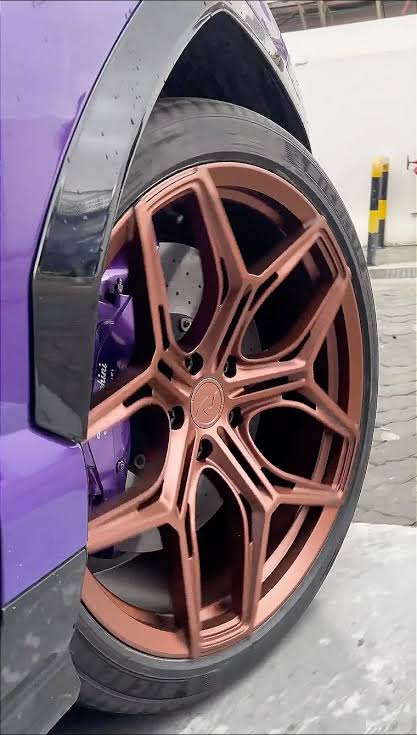
One of the main attractions of custom forged wheels is the range of available designs. Drivers can choose from thin multi-spoke patterns, split-spoke arrangements, motorsport-inspired styles, and clean minimalist designs.
Spoke configuration is not purely decorative. Its geometry influences structural performance, weight distribution, brake clearance, and manufacturing complexity. A well-designed wheel balances visual appeal with the mechanical demands of everyday driving.
Finishes and Colors
Wheel finishes provide another opportunity to personalize a vehicle. Popular options include satin black, gloss black, silver, bronze, gunmetal, and polished metallic surfaces.
A suitable finish can complement the vehicle’s paintwork, body lines, and other exterior details. Buyers should also consider how easily a finish can be maintained and whether it offers appropriate resistance to corrosion and environmental exposure.
Correct Fitment
Customization must extend beyond appearance. Wheel diameter, width, offset, bolt pattern, center bore, and load rating all influence compatibility.
Incorrect specifications can cause rubbing, vibration, clearance problems, or additional stress on vehicle components. Before purchasing custom wheels, drivers should confirm the manufacturer’s fitment recommendations and ensure adequate clearance for the tires, brakes, and suspension.
Everyday Driving and Efficiency
Lightweight custom forged wheels are not exclusively intended for high-performance vehicles. They can also suit drivers who want a refined appearance and balanced performance for daily transportation.
Reducing wheel weight may contribute to lower energy requirements during repeated acceleration, but it does not guarantee a particular improvement in fuel economy. Tire rolling resistance, aerodynamic drag, driving habits, wheel dimensions, and vehicle design can have a greater influence on overall efficiency.
For electric vehicles, wheel weight and tire specifications can affect energy consumption and driving range. Nevertheless, choosing larger wheels or wider tires may offset some potential benefits by increasing mass or rolling resistance.
The most effective approach is to choose wheels that match the vehicle’s original engineering requirements and the driver’s actual needs.
Durability and Long-Term Value
High-quality forged wheels can provide an attractive combination of strength, precision, and long-term usability. Their durability depends on the quality of the materials, engineering standards, manufacturing process, and conditions in which they are used.
Drivers should inspect their wheels periodically for cracks, bends, corrosion, and other signs of damage. Impacts from potholes and road debris can damage even premium forged wheels, particularly when low-profile tires provide limited cushioning.
Proper cleaning also helps preserve wheel finishes. Using suitable automotive cleaning products and avoiding harsh chemicals can reduce the risk of surface deterioration.
Although forged wheels often cost more than standard alternatives, their value should be evaluated through construction quality, fitment accuracy, warranty coverage, expected service life, and performance benefits rather than purchase price alone.
How to Choose the Right Lightweight Custom Forged Wheels
Establish Your Main Priorities
Begin by deciding whether your primary goal is improved handling, reduced weight, visual customization, or a combination of these objectives. A daily driver may benefit most from a durable design with practical dimensions, while a performance-focused vehicle may require more detailed consideration of weight, brake clearance, and tire compatibility.
Compare Technical Specifications
Review the manufacturer’s information about wheel weight, load capacity, alloy composition, dimensions, and testing standards. Independent testing and recognized certification can provide additional confidence in a product’s quality.
Avoid selecting wheels based only on photographs or promotional claims. Two wheels with similar appearances may differ considerably in construction, weight, and suitability.
Consider Tires and Suspension
Wheels work as part of a complete system. Tire size, tire construction, suspension geometry, and alignment all influence comfort and handling.
A wheel upgrade should preserve suitable tire load and speed ratings while maintaining appropriate overall tire diameter. Professional installation and alignment checks can help ensure that the new setup performs as intended.
Evaluate the Manufacturer
Choose a manufacturer that provides clear specifications, accurate fitment guidance, reliable customer support, and a transparent warranty. Reputable suppliers should be able to explain their manufacturing methods and provide evidence that their products meet applicable safety requirements.
Common Mistakes to Avoid
One common mistake is assuming that every forged wheel offers the same performance advantages. Manufacturing quality and engineering design vary, so specifications deserve careful attention.
Another mistake is choosing an excessively large diameter for appearance alone. Larger wheels may increase total weight, reduce tire sidewall height, and make the ride less comfortable on uneven roads.
Ignoring load ratings is also risky. Wheels must support the vehicle and its intended load without exceeding their specified limits. Buyers should additionally confirm that the wheel offset and width are suitable for the vehicle.
Finally, drivers should avoid treating lightweight wheels as a substitute for proper maintenance. Tire pressure checks, wheel inspections, correct fastener torque, and regular brake servicing remain important after any upgrade.
Conclusion
Lightweight custom forged wheels offer an appealing combination of engineering, personalization, and potential performance benefits. By reducing unnecessary wheel mass and using carefully designed structures, they can contribute to more responsive acceleration, effective braking behavior, and improved suspension response under suitable conditions.
Their benefits extend beyond performance driving. Custom designs and finishes allow vehicle owners to personalize their cars, while appropriate specifications help maintain everyday practicality and safety.
The best choice depends on more than appearance or manufacturing terminology. Drivers should consider wheel weight, structural quality, fitment, load capacity, tire compatibility, and manufacturer reliability before making a purchase.
When selected carefully, lightweight custom forged wheels can become a valuable component of a balanced automotive upgrade, helping drivers achieve their preferred combination of efficiency, control, durability, and distinctive style.