

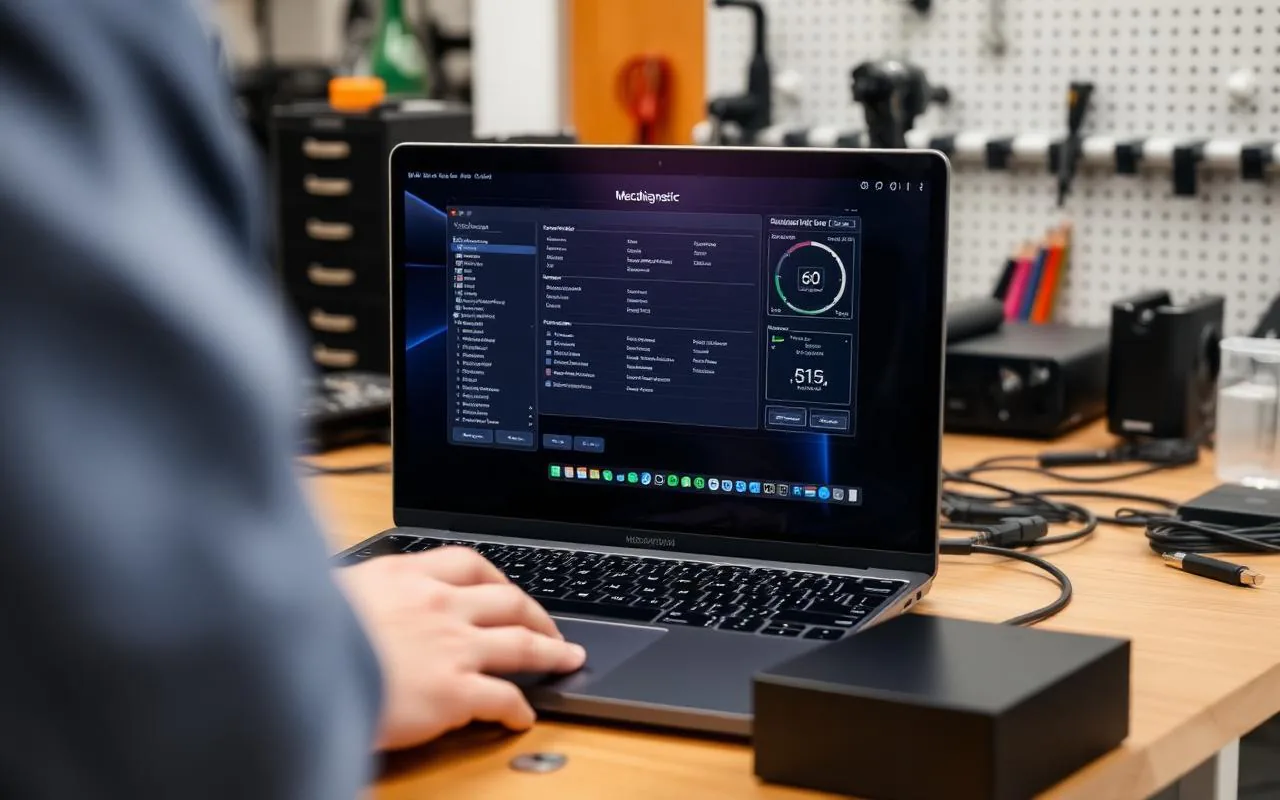
In today’s digital world, MacBooks are essential tools for storing personal documents, business records, photographs, videos, academic projects, and other valuable information. Whether you use your laptop for professional work, education, or personal activities, losing important files can create significant stress and disruption. Hardware failures, software errors, accidental damage, and storage problems can all put your data at risk. This is why choosing top macbook repair and services can play an important role in protecting your digital files and maintaining the reliability of your device.
Professional repair technicians do more than fix visible problems. They can identify issues that threaten data integrity, recommend appropriate recovery options, and help users establish better maintenance and backup practices. Understanding how repair services contribute to data protection can help you make informed decisions about your MacBook.
Understanding the Connection Between MacBook Repairs and Data Protection
Many MacBook users assume that their files are safe as long as their computers turn on. However, internal components and software systems can develop problems without obvious warning signs. A failing storage device, repeated system crashes, overheating, or damaged charging components may eventually prevent access to important information.
Professional technicians can investigate these warning signs before they develop into more serious problems. Diagnostic testing helps identify whether an issue originates from the operating system, storage hardware, battery, logic board, or another component.
The right repair approach depends on the specific problem and the condition of the device. For example, a MacBook that repeatedly freezes may require software troubleshooting, while one that fails to start after liquid exposure may need careful hardware assessment. Early diagnosis can reduce unnecessary troubleshooting and help prevent avoidable data loss.
Identifying Storage Problems Before Files Become Inaccessible
Storage-related issues are among the most concerning problems for MacBook owners. Depending on the model, a MacBook may use an SSD or another storage configuration, and hardware or file-system problems can affect access to stored information.
Warning signs include unusually slow performance, unexpected restarts, frequent application crashes, missing files, and error messages related to disk access. These symptoms do not always indicate a failing drive, but they should not be ignored.
Experienced technicians can evaluate available diagnostic information, inspect the storage system, and determine suitable next steps. If a storage device appears unstable, they may recommend prioritizing data preservation before attempting repairs that could change the contents of the drive.
Users should avoid repeatedly restarting a malfunctioning computer or installing unfamiliar recovery utilities when valuable files are at risk. If the data is irreplaceable, seeking professional guidance early can be a sensible precaution.
Recovering Important Data After Unexpected MacBook Failures
A MacBook may suddenly stop working because of liquid damage, physical impact, electrical problems, or a component failure. Even when the computer cannot start normally, its stored files may still be recoverable.
Top macbook repair and services can assess whether the problem prevents the entire computer from operating or specifically affects access to its storage. Depending on the model and failure, technicians may attempt suitable recovery procedures, repair supporting components, or refer the case to a specialized data recovery professional.
Recovery is not guaranteed. The likelihood of success depends on the type of damage, the condition of the storage hardware, encryption requirements, and whether the data has been overwritten or otherwise damaged.
If a MacBook has suffered liquid damage, turn it off if it is safe to do so, disconnect power, and avoid attempting to charge or repeatedly start it. These actions may help limit further damage. Arrange a professional assessment rather than relying on household drying methods or unverified repair advice.
Protecting Files Through Reliable Backup Strategies
Although professional repairs can help address technical problems, regular backups remain one of the most effective ways to protect digital information. Repair services can help users understand available backup methods and configure a practical strategy suited to their needs.
macOS supports Time Machine, which can maintain backups to a compatible external storage device or supported network destination. Depending on the configuration, users can restore individual files or recover larger portions of their systems after a failure.
Cloud storage services can provide another layer of protection by synchronizing or storing selected files online. However, synchronization is not always the same as a complete backup. Accidental deletion or unwanted changes may also synchronize across devices, depending on the service and its settings.
A strong backup strategy may include an automated local backup, a separate copy of critical files, and an appropriate off-site or cloud backup. Users should also verify that backups complete successfully and that important files can actually be restored.
Professional technicians can explain these options, check available storage capacity, and help resolve backup errors. Establishing a dependable backup routine before a hardware emergency occurs is much easier than trying to recover everything afterward.
Maintaining Software Security and File Integrity
Digital file protection involves more than preventing hardware failure. Software vulnerabilities, suspicious applications, corrupted system files, and outdated operating systems can also create problems.
Repair professionals can help investigate repeated crashes, remove unwanted software where appropriate, troubleshoot application conflicts, and restore normal system operation. They may also recommend installing compatible macOS updates and reviewing security settings.
Users should download applications from trusted sources, enable appropriate security protections, and avoid opening suspicious email attachments or unexpected links. Strong passwords and multi-factor authentication can further protect accounts that provide access to cloud files and online backups.
File integrity also matters when repairing software. Before performing major operating system changes, users should confirm that important files are backed up whenever possible. A technician should explain whether a proposed procedure could erase data and obtain the owner’s informed approval before proceeding.
Choosing Repair Professionals Who Respect Your Privacy
Digital files frequently contain confidential information, including financial documents, client records, personal photographs, and business communications. Consequently, privacy should be a major consideration when selecting a MacBook repair provider.
Before handing over a device, ask about the company’s data-handling procedures, access permissions, diagnostic methods, and privacy practices. A reputable technician should explain why access to particular files or account settings may be necessary and should avoid requesting unnecessary information.
Whenever possible, back up important data before the repair appointment. If the MacBook still works, sign out of sensitive accounts when appropriate, review available repair or service modes, and follow the manufacturer’s guidance for preparing the device. Do not share your account password or recovery credentials unless access is genuinely required and you understand why.
FileVault encryption can provide additional protection for supported MacBooks by encrypting stored data. However, encryption does not replace backups, and recovery may depend on having the appropriate credentials or recovery key. Ask your technician how encryption affects the proposed repair before making changes.
Preventing Data Loss Through Regular MacBook Maintenance
Preventive maintenance helps reduce the likelihood of unexpected problems. Dust buildup, restricted airflow, battery deterioration, damaged ports, and persistent overheating can affect a MacBook’s performance and reliability.
Routine inspections can help identify physical issues before they become severe. Technicians may examine cooling performance, battery condition, charging behavior, and other components relevant to the reported symptoms.
Users can also contribute to device reliability by keeping vents unobstructed, avoiding liquids near the computer, using suitable chargers, and installing compatible software updates. Maintaining sufficient free storage space can support normal system operations, although it does not eliminate the risk of hardware failure.
Regular maintenance should be combined with backups because even a well-maintained MacBook can experience unexpected faults. Preparing for possible failure is more dependable than assuming a computer will continue working indefinitely.
Understanding Repair Costs and Data Recovery Options
Repair expenses vary according to the MacBook model, the affected component, the severity of the damage, and the availability of replacement parts. Data recovery may involve additional costs, particularly when specialized equipment or extensive diagnostic work is necessary.
Before authorizing a repair, request an explanation of the estimated cost, expected turnaround time, and potential effect on stored files. Ask whether the proposed solution requires replacing a component, reinstalling macOS, erasing storage, or performing another operation that could affect data.
If your files are more valuable than the device itself, communicate that priority clearly. A repair intended to restore computer functionality is not necessarily the same as a procedure designed to maximize data recovery. Understanding this distinction can help you choose the most appropriate service.
Conclusion
Protecting digital files requires a combination of preventive care, reliable backups, responsible security practices, and timely technical support. From diagnosing storage problems to addressing hardware failures and resolving software errors, top macbook repair and services can help users maintain access to important information and make better decisions when technical problems arise.
The most effective approach begins before an emergency. Back up essential documents regularly, verify that recovery options work, maintain your MacBook properly, and choose repair professionals who explain their procedures and respect your privacy. Although no repair service can guarantee that every file will be recovered, informed preparation and careful troubleshooting can significantly improve your ability to protect valuable digital information.