

Introduction
Technology is changing how people understand and manage their personal health. From smartwatches and fitness trackers to mobile health applications, digital devices are making it easier to monitor daily habits and recognize patterns that may influence overall well-being. Among these innovations, smart rings are gaining attention because they combine compact designs with convenient health-tracking features. Unlike traditional wearable devices with large screens, smart rings fit comfortably on a finger and can collect selected health and activity data throughout the day.
Smart rings represent a new approach to digital wellness by helping users become more aware of their sleep patterns, activity levels, heart rate, and daily routines. These devices are particularly appealing to people who want health-related insights without constantly checking a screen or carrying additional equipment.
As interest in this technology grows, consumers are exploring different models and reading product evaluations before making a purchase. For example, a colmi r09 uk review can help potential buyers understand the features, design, usability, and practical considerations associated with this smart ring. Understanding how these devices work, what they can measure, and where their limitations lie is essential for making informed decisions about personal wellness technology.
What Are Smart Rings?
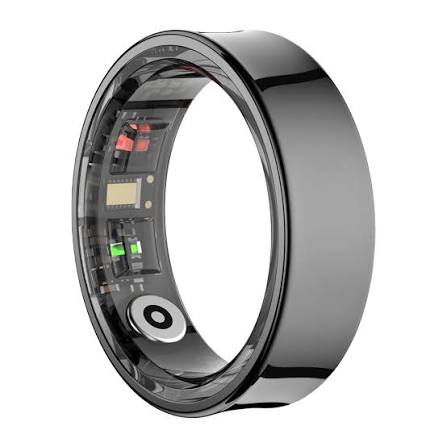
Smart rings are wearable electronic devices designed to collect information about selected aspects of a person’s health, movement, and daily activities. They typically contain miniature sensors, electronic components, and wireless connectivity that allow them to communicate with a compatible smartphone application.
Although their appearance resembles an ordinary ring, smart rings can perform several functions associated with larger fitness trackers. Depending on the model, they may monitor heart rate, estimate sleep duration, track activity, or provide information about other wellness indicators.
How Smart Rings Work
Smart rings use sensors positioned inside their compact structure to gather information from the wearer’s finger. Optical sensors may measure changes in blood flow by detecting variations in reflected light. These measurements can be processed into estimates of heart rate and, on supported devices, other physiological indicators.
Movement sensors, such as accelerometers, can identify patterns associated with walking, running, and other activities. Software then interprets this information and presents it through a connected mobile application.
Many smart rings use Bluetooth to transfer data to a smartphone. The application organizes collected measurements into charts, summaries, and historical records that users can review over time.
However, different products offer different capabilities. Consumers should check the manufacturer’s specifications rather than assuming every smart ring supports the same features.
Why Wearable Technology Is Becoming More Compact
Convenience is one of the main reasons compact wearables are attracting interest. Some people find wrist-based devices uncomfortable during sleep, while others prefer a more discreet alternative to a smartwatch.
A smart ring offers a small form factor that can fit naturally into everyday routines. It generally does not require users to interact with a display, making it suitable for people who want to collect information passively.
This compact design also introduces challenges. A ring must fit properly to maintain consistent sensor contact, and its small battery limits how much power can be stored inside the device. Manufacturers therefore need to balance comfort, battery performance, durability, and measurement capabilities.
The Connection Between Smart Rings and Digital Wellness
Digital wellness involves using technology to support healthier routines, improve awareness of personal habits, and make informed lifestyle decisions. It includes fitness applications, sleep trackers, digital health records, meditation platforms, and other tools that help people understand their daily behavior.
Smart rings fit into this broader movement by turning selected measurements into information that users can review and use when planning their routines.
Building Awareness of Daily Habits
People often underestimate how much they move, how consistently they sleep, or how their daily schedules affect their energy levels. Wearable devices can help make these patterns easier to recognize.
For example, someone who reviews their activity records may discover that they spend long periods sitting during work or study sessions. They can respond by introducing short walking breaks or adding more movement to their daily schedule.
Similarly, sleep summaries may reveal that bedtime varies considerably throughout the week. Recognizing this pattern can encourage a more consistent sleep schedule.
The value of this information does not come from the device alone. Meaningful improvements happen when users interpret their records thoughtfully and make realistic changes to their routines.
Encouraging Consistent Wellness Practices
Small, repeatable actions often matter more than dramatic changes that are difficult to maintain. Smart rings may support consistency by recording activity and sleep patterns without requiring users to remember every detail manually.
Users can establish simple goals, such as maintaining a regular bedtime, taking movement breaks, or following a balanced daily routine. Reviewing progress can help them understand which habits are working and where adjustments might be useful.
Nevertheless, health tracking should remain a supportive tool rather than a source of pressure. Missing a target or recording an unusual reading does not necessarily indicate a problem. Daily measurements naturally fluctuate, and individual circumstances should always be considered.
Smart Rings and Heart Rate Tracking
Heart rate monitoring is one of the most widely discussed features of wearable health technology. By collecting measurements throughout the day, compatible smart rings can provide a broader picture of how heart rate changes during rest, movement, and sleep.
Understanding Heart Rate Measurements
Heart rate refers to the number of times the heart beats per minute. It changes in response to physical activity, emotional experiences, sleep, temperature, hydration, and other factors.
A smart ring with heart rate monitoring can help users observe these changes over time. For example, they may compare measurements recorded during quiet periods with those collected after ordinary physical activity.
These records can provide useful context about personal patterns, although readings from consumer wearables are estimates rather than guaranteed medical measurements.
Why Measurement Quality Matters
Sensor performance can vary depending on device design, skin contact, movement, temperature, and individual characteristics. A ring that fits poorly may collect inconsistent information, while vigorous movement can affect optical sensor readings.
Consumers should examine product specifications and independent testing when available. They should also consider whether the device records heart rate continuously, periodically, or only under certain conditions.
Most importantly, a consumer smart ring should not replace professional medical assessment. Anyone experiencing concerning symptoms should seek appropriate medical advice rather than relying on a wearable reading.
Sleep Tracking and Restful Routines
Sleep is an important part of overall wellness, influencing concentration, mood, learning, and physical recovery. Smart rings can help users understand their sleep schedules by estimating when they fall asleep, when they wake up, and how long they remain asleep.
How Smart Rings Estimate Sleep
Sleep-tracking systems generally combine movement information with physiological signals, depending on the device. Algorithms analyze these measurements to estimate sleep periods and distinguish between possible stages of sleep.
The resulting reports may include total sleep duration, estimated sleep stages, nighttime interruptions, and consistency across several nights.
However, consumer devices cannot measure every aspect of sleep directly. Their estimates may differ from clinical sleep studies, and accuracy varies across models and individuals.
Using Sleep Data Effectively
A useful approach is to examine general patterns instead of focusing on every nightly score. For example, users might notice that late-night screen use coincides with later bedtimes or that an inconsistent schedule makes waking up more difficult.
They can then experiment with practical changes, such as creating a relaxing bedtime routine, reducing distractions, and keeping sleep and wake times reasonably consistent.
It is also important to remember that one poor night’s sleep is normal. Smart ring data should encourage healthy habits rather than create unnecessary worry about achieving perfect sleep statistics.
Activity Tracking and Everyday Movement
Smart rings can also support physical activity awareness. Depending on their sensors and software, compatible models may estimate steps, recognize movement, or summarize activity throughout the day.
Making Movement Easier to Understand
Many people spend substantial portions of their day sitting at desks, studying, commuting, or using electronic devices. Activity tracking can highlight these patterns and encourage more movement.
A user might decide to walk during a break, take the stairs when practical, or spend a few minutes stretching after a long period of sitting.
These small adjustments can help make movement a more regular part of everyday life. The goal is not necessarily to achieve a particular number of steps but to develop sustainable habits that suit individual needs.
Understanding the Limitations of Activity Data
Step counts and activity estimates are not always perfectly accurate. Hand movements, unusual walking patterns, and differences in sensor algorithms can influence recorded results.
Consumers should also understand which activities their chosen ring supports. A compact wearable designed mainly for general wellness may not offer the detailed workout analysis available from specialized sports watches.
Choosing a device that matches personal needs is therefore more useful than selecting one simply because it advertises numerous features.
Exploring the COLMI R09 Smart Ring
The COLMI R09 is one of the smart ring models consumers may encounter while researching affordable wearable technology. Its compact format places it within a category designed to offer selected tracking features without the larger display and wrist-based structure of a smartwatch.
People considering this device should evaluate its advertised functions, smartphone compatibility, charging arrangements, comfort, and overall usability.
What to Consider in a COLMI R09 Review
A thorough colmi r09 review should examine more than the ring’s appearance or its list of advertised features. It should consider how the device performs during everyday use and whether its capabilities match the buyer’s expectations.
Important areas to investigate include heart rate monitoring, activity tracking, sleep-related features, battery life, charging convenience, application design, and data synchronization.
Consumers should verify these details against the exact model specifications and current product documentation. Features, software support, and availability can differ between sellers or product versions, so unverified claims should not be treated as established facts.
Design, Fit, and Everyday Comfort
A smart ring needs to feel comfortable during ordinary activities and, for people who want nighttime tracking, while sleeping. Its size and fit can influence both comfort and sensor contact.
Before purchasing the COLMI R09, buyers should check the available sizing information and recommended fitting process. A ring that is too loose may shift around the finger, while an unsuitable tight fit may cause discomfort.
It is also sensible to review the manufacturer’s instructions about water exposure, cleaning, and everyday wear. Water resistance should never be assumed without checking the product’s stated rating and limitations.
App Compatibility and Data Presentation
The accompanying mobile application is an important part of the smart ring experience. Even when a device collects useful information, an unclear interface can make the data difficult to understand.
Potential buyers should check which smartphone operating systems are supported, whether the application is regularly maintained, and how easily users can view historical measurements.
Privacy deserves attention as well. Before connecting a wearable, consumers should review the application’s permissions, privacy policy, account requirements, and data-sharing practices.
A useful device should offer information that is understandable and relevant without demanding unnecessary personal information.
Smart Rings Compared With Smartwatches
Smart rings and smartwatches both support wearable technology, but they serve somewhat different preferences.
Design and Convenience
Smart rings are smaller and generally lack a screen. They can be appealing to users who prefer discreet tracking and do not want notifications displayed on their wrist.
Smartwatches usually offer larger displays, interactive controls, and easier access to messages, maps, timers, and applications. Their size may also accommodate more advanced workout features.
Health and Fitness Capabilities
Both categories can offer heart rate and activity monitoring, although the specific capabilities depend on the model. Some smartwatches provide GPS, workout modes, and additional sensors that may be absent from entry-level smart rings.
Smart rings can be useful for people interested mainly in passive tracking, while a smartwatch may be more suitable for users who want an interactive fitness and communication device.
Battery and Charging Considerations
Battery life varies significantly across products and depends on sensor usage, software settings, and battery capacity. A smaller wearable may offer convenient long-term wear but still require frequent charging under certain conditions.
Buyers should compare realistic manufacturer claims with independent testing where available. They should also consider how charging interruptions affect their ability to collect continuous data.
Privacy and Responsible Use of Health Data
Wearable devices collect information that may reveal aspects of a person’s routine, sleep schedule, activity, and physiological patterns. Protecting this information is an essential part of digital wellness.
Understanding Data Collection
Before using a smart ring, consumers should determine which information is collected, where it is stored, and whether it is shared with third parties.
Some applications may request account details, location permissions, or access to other smartphone functions. Users should review these requests and provide only the permissions necessary for the features they intend to use.
Strong account security and updated software can also help reduce avoidable privacy risks.
Avoiding Unnecessary Health Anxiety
Continuous tracking can make people more aware of their habits, but excessive attention to measurements may lead to frustration or worry.
Not every unusual reading is meaningful, and normal biological variation can produce changes from day to day. Consumer wearables may also generate inaccurate measurements.
Users should avoid treating a single score as a definitive judgment about their health. Trends, personal circumstances, and professional guidance are more useful than constant checking.
The Future of Smart Rings and Digital Wellness
Smart ring technology is likely to continue developing as manufacturers improve sensor design, software analysis, battery efficiency, and mobile integration.
More Personalized Insights
Future wearable systems may become better at identifying individual patterns and presenting information in ways that are easier to understand. Instead of displaying isolated measurements, applications may provide clearer explanations of how sleep schedules, movement, and daily routines relate to one another.
Such developments could make digital wellness more practical, provided that the underlying measurements are sufficiently reliable and users understand their limitations.
Integration With Other Digital Health Tools
Wearable devices may increasingly work alongside smartphone applications, fitness platforms, and other personal health tools. Connected systems can make it easier to review information in one place and observe longer-term patterns.
However, integration should prioritize privacy, transparency, and user control. More data does not automatically mean better health decisions, especially when measurements lack context.
The Importance of Responsible Innovation
Manufacturers must balance innovation with realistic claims about what consumer devices can accomplish. Clear documentation, reliable software, accessible privacy controls, and honest explanations of measurement limitations will remain important.
Consumers also benefit from learning how to interpret wearable information responsibly rather than assuming that every new feature provides a medical advantage.
How to Choose the Right Smart Ring
Selecting a smart ring requires more than comparing prices or counting advertised features. The best choice depends on how the device will be used and what information matters most to the buyer.
Identify Your Main Wellness Goals
Start by deciding whether sleep awareness, general activity tracking, heart rate monitoring, or discreet everyday wear is the main priority.
A person primarily interested in sleep patterns may value comfort and overnight battery performance. Someone focused on exercise may need more detailed activity tracking than a basic wellness ring can provide.
Check Compatibility and Ongoing Costs
Confirm smartphone compatibility, application availability, charging requirements, and whether any features require a subscription.
Warranty coverage, customer support, replacement policies, and product availability should also influence the decision. These practical considerations can matter as much as the device’s technical specifications.
Read Reviews Critically
Independent evaluations can help consumers understand real-world performance, but reviews should distinguish personal experience from verified testing.
Look for information about measurement consistency, comfort, battery performance, application reliability, and long-term usability. Be cautious of claims that promise medical-grade accuracy without appropriate evidence.
A well-researched product evaluation can help buyers decide whether a smart ring is suitable for their lifestyle and budget.
Conclusion
Smart rings are creating new opportunities for people to understand their everyday habits through compact wearable technology. By offering selected information about heart rate, sleep, and activity, these devices can support greater awareness and encourage more consistent wellness routines.
Their greatest value lies in helping users recognize patterns and make practical decisions, not in replacing professional healthcare or guaranteeing specific health outcomes. Accuracy, comfort, privacy, compatibility, and battery performance all deserve careful consideration before purchasing a device.
For consumers researching affordable options, a colmi r09 review can be a useful starting point for examining the device’s specifications and determining whether its features meet their expectations. Comparing verified product information with personal needs can lead to a more informed choice.
Ultimately, digital wellness works best when technology supports balanced habits rather than controlling them. Smart rings may make personal health information easier to access, but lasting well-being still depends on thoughtful routines, adequate rest, regular movement, and appropriate professional care when needed.