
Fire safety has become a critical concern across industries, commercial properties, and residential environments. Traditional fire detection systems, such as smoke detectors and heat sensors, have long been relied upon to alert occupants of danger. However, with advancements in technology, the thermal imaging camera fire safety system has emerged as a powerful and proactive solution. By detecting heat patterns and temperature variations in real time, these systems provide an added layer of protection that goes beyond conventional methods.
In this article, we explore the top advantages of using a thermal imaging camera fire safety system and why it is becoming an essential investment for modern safety strategies.
Understanding Thermal Imaging in Fire Safety
A thermal imaging camera fire system works by detecting infrared radiation emitted by objects. Instead of relying on visible smoke or flames, it identifies abnormal heat signatures that may indicate a potential fire hazard. This allows for early detection, often before a fire even starts.
How It Works
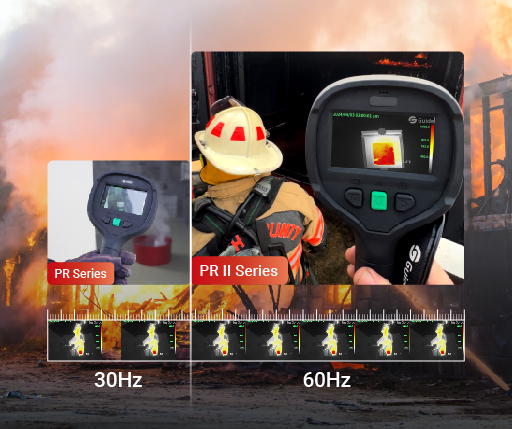
Thermal imaging cameras convert heat into visual images, displaying temperature differences as color variations. Warmer areas appear in brighter tones, making it easy to spot overheating equipment, electrical faults, or hidden hotspots.
Role in Modern Fire Prevention
Unlike traditional detectors, a thermal imaging camera fire system continuously monitors environments, offering real-time insights and enabling preventive action before a fire escalates.
Early Fire Detection
One of the most significant advantages of a thermal imaging camera fire system is its ability to detect fire risks at a very early stage.
Identifying Hotspots Before Ignition
Thermal cameras can identify overheating machinery, electrical circuits, or friction points long before they produce smoke or flames. This early warning allows maintenance teams to intervene quickly and prevent disasters.
Reducing False Alarms
Traditional fire alarms are often triggered by dust, steam, or harmless smoke. A thermal imaging camera fire system minimizes false alarms by focusing on actual temperature anomalies, improving reliability.
Continuous Monitoring and Real-Time Alerts
A thermal imaging camera fire solution provides continuous surveillance, ensuring that no critical changes go unnoticed.
24/7 Surveillance Capability
These systems operate around the clock, making them ideal for warehouses, factories, and remote locations where constant human monitoring is not feasible.
Instant Notifications
Modern systems, especially those developed by Guide Sensmart, offer real-time alerts when unusual heat patterns are detected. This enables immediate action, reducing response time and limiting damage.
Enhanced Safety in Hazardous Environments
Certain environments pose higher fire risks due to flammable materials, chemicals, or extreme temperatures. A thermal imaging camera fire system is particularly valuable in such settings.
Safe Monitoring Without Direct Contact
Thermal cameras can monitor dangerous areas from a distance, eliminating the need for human presence in high-risk zones.
Ideal for Industrial Applications
Industries such as oil and gas, manufacturing, and power generation benefit greatly from thermal imaging technology, as it helps detect potential hazards without interrupting operations.
Improved Accuracy and Reliability
Accuracy is crucial in fire detection, and thermal imaging camera fire systems excel in this aspect.
Detection in Challenging Conditions
Unlike traditional sensors, thermal cameras are not affected by smoke, darkness, fog, or dust. This ensures consistent performance even in harsh environments.
Minimizing Human Error
Automated monitoring reduces reliance on human observation, lowering the risk of oversight and improving overall safety outcomes.
Cost-Effective Fire Prevention
While the initial investment in a thermal imaging camera fire system may seem significant, it offers long-term cost savings.
Preventing Major Losses
Early detection helps avoid costly damages to property, equipment, and inventory. It also reduces downtime caused by fire incidents.
Lower Maintenance Costs
Thermal imaging systems require less maintenance compared to traditional fire detection systems, making them a cost-efficient solution over time.
Integration with Advanced Systems
A thermal imaging camera fire system can be integrated with other safety and security technologies for a comprehensive approach.
Smart Building Integration
These systems can connect with alarms, sprinklers, and building management systems to automate responses when a threat is detected.
Data-Driven Insights
Advanced solutions from Guide Sensmart provide analytics and reporting features, helping organizations identify recurring issues and improve safety strategies.
Versatility Across Applications
The flexibility of a thermal imaging camera fire system makes it suitable for a wide range of applications.
Commercial and Residential Use
From office buildings to residential complexes, thermal imaging enhances safety by providing early warnings and continuous monitoring.
Critical Infrastructure Protection
Airports, data centers, and power plants rely on thermal imaging to protect essential assets and ensure uninterrupted operations.
Environmental and Operational Benefits
Using a thermal imaging camera fire system also contributes to environmental protection and operational efficiency.
Reducing Environmental Impact
Preventing fires minimizes harmful emissions and environmental damage caused by large-scale incidents.
Supporting Sustainable Operations
By identifying inefficiencies such as heat loss or overheating equipment, thermal imaging systems help optimize energy use and improve sustainability.
Scalability and Customization
Modern thermal imaging camera fire systems are designed to adapt to different needs and environments.
Flexible Deployment Options
Whether for small facilities or large industrial complexes, these systems can be scaled to match specific requirements.
Tailored Solutions
Guide Sensmart offers customizable solutions that cater to various industries, ensuring maximum effectiveness and reliability.
Future of Fire Safety Technology
The future of fire safety lies in proactive and intelligent systems, and thermal imaging camera fire technology is at the forefront of this transformation.
Integration with AI and Automation
Artificial intelligence is enhancing thermal imaging capabilities, enabling predictive analysis and automated decision-making.
Growing Adoption Worldwide
As awareness increases, more organizations are adopting thermal imaging systems to strengthen their fire safety measures.
Conclusion
A thermal imaging camera fire safety system represents a significant advancement in fire prevention and protection. By offering early detection, continuous monitoring, and reliable performance in challenging conditions, it provides a level of safety that traditional systems cannot match.
From industrial facilities to residential properties, the advantages of using a thermal imaging camera fire solution are clear. With innovative solutions from Guide Sensmart, organizations can enhance their safety strategies, reduce risks, and protect valuable assets effectively.