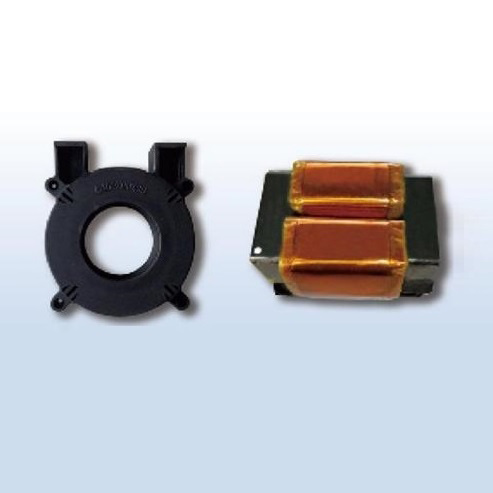


Introduction
In modern power electronics, efficiency and performance are critical factors in designing reliable systems. Inverters, which convert DC power into AC power, are widely used in renewable energy systems, industrial drives, and consumer electronics. One of the most crucial components influencing inverter efficiency is the transformer core. The use of a low-loss high-frequency transformer core for inverter applications has become essential to achieve higher efficiency, reduced energy dissipation, and compact designs.
As power conversion technologies evolve, engineers are increasingly focusing on minimizing losses and improving thermal performance. This article explores how a low-loss high-frequency transformer core for inverter systems enhances power conversion, improves system reliability, and supports advanced energy applications.
Understanding Transformer Cores in Inverters
A transformer core is responsible for transferring energy between windings through magnetic flux. In inverter systems, especially those operating at high frequencies, the choice of core material significantly impacts performance.
Traditional transformer cores made from silicon steel are suitable for low-frequency applications, but they exhibit high losses at elevated frequencies. In contrast, a low-loss high-frequency transformer core for inverter applications is typically made from advanced materials such as ferrite or nanocrystalline alloys, which are specifically designed to operate efficiently at higher switching frequencies.
These materials reduce hysteresis and eddy current losses, making them ideal for modern inverter circuits where switching frequencies can range from tens of kilohertz to several megahertz.
Importance of Low-Loss Characteristics
Losses in transformer cores primarily arise from hysteresis and eddy currents. At high frequencies, these losses increase significantly if the core material is not optimized. A low-loss high-frequency transformer core for inverter helps mitigate these issues in several ways:
Reduced Hysteresis Loss
Hysteresis loss occurs due to repeated magnetization and demagnetization of the core material. Advanced core materials have narrow hysteresis loops, which means less energy is wasted during each cycle.
Minimized Eddy Current Loss
Eddy currents are circulating currents induced within the core that generate heat and waste energy. High-frequency cores are designed with high electrical resistivity, which suppresses these currents.
Improved Thermal Performance
Lower losses directly translate into reduced heat generation. This improves the thermal stability of the inverter and reduces the need for complex cooling systems.
By incorporating a low-loss high-frequency transformer core for inverter, designers can significantly enhance overall system efficiency.
Role of High-Frequency Operation
High-frequency operation is a key trend in modern inverter design. Increasing the switching frequency allows for smaller passive components, faster response times, and improved control.
Compact Design
At higher frequencies, the size of the transformer can be reduced because less magnetic material is needed to transfer the same amount of energy. A low-loss high-frequency transformer core for inverter enables compact and lightweight inverter designs.
Faster Energy Conversion
High-frequency switching allows for rapid energy transfer, which improves dynamic performance in applications such as motor drives and renewable energy systems.
Enhanced Power Density
Power density refers to the amount of power delivered per unit volume. Using a high-frequency transformer core increases power density, making systems more efficient and space-saving.
Materials Used in High-Frequency Transformer Cores
Selecting the right material is essential for achieving low losses and high efficiency. Common materials used in a low-loss high-frequency transformer core for inverter include:
Ferrite Cores
Ferrites are ceramic compounds with high magnetic permeability and low electrical conductivity. They are widely used in high-frequency applications due to their excellent loss characteristics.
Nanocrystalline Cores
Nanocrystalline materials offer superior magnetic properties, including high permeability and low core losses. They are suitable for high-performance inverter applications.
Amorphous Cores
Amorphous metals have a non-crystalline structure, which reduces hysteresis losses. They are often used in energy-efficient power systems.
Each of these materials contributes to improving the performance of a low-loss high-frequency transformer core for inverter, depending on the application requirements.
Benefits in Inverter Applications
Using a low-loss high-frequency transformer core for inverter provides several advantages across various applications:
Increased Efficiency
Lower core losses mean more input power is converted into usable output power. This is particularly important in renewable energy systems where efficiency directly impacts energy yield.
Reduced Energy Costs
Improved efficiency leads to lower energy consumption and reduced operational costs over time.
Longer Lifespan
Reduced heat generation minimizes thermal stress on components, extending the lifespan of the inverter.
Improved Reliability
Stable thermal performance and reduced losses contribute to consistent and reliable operation.
Applications of High-Frequency Transformer Cores
The demand for efficient power conversion has led to widespread adoption of low-loss high-frequency transformer core for inverter technology in various industries:
Renewable Energy Systems
Solar inverters and wind power systems rely on efficient power conversion to maximize energy output.
Electric Vehicles
In EVs, inverters are used to drive motors. High-frequency transformer cores help improve efficiency and reduce system weight.
Industrial Automation
Motor drives and power supplies in industrial settings benefit from improved efficiency and compact design.
Consumer Electronics
Devices such as UPS systems and power adapters use high-frequency transformers for efficient energy conversion.
Design Considerations
When designing an inverter with a low-loss high-frequency transformer core for inverter, several factors must be considered:
Core Material Selection
Choosing the right material based on frequency, power level, and thermal requirements is critical.
Core Geometry
The shape and size of the core affect magnetic flux distribution and efficiency.
Winding Design
Proper winding techniques minimize copper losses and improve overall performance.
Cooling Mechanisms
Even with low losses, effective cooling is necessary to maintain optimal performance.
Future Trends
The future of inverter technology is closely tied to advancements in transformer core materials and design. Researchers are developing new materials with even lower losses and higher performance capabilities.
Wide bandgap semiconductors such as SiC and GaN are enabling higher switching frequencies, which further increases the demand for a low-loss high-frequency transformer core for inverter.
Additionally, integration of smart monitoring systems allows for real-time performance optimization, enhancing efficiency and reliability.
Conclusion
The adoption of a low-loss high-frequency transformer core for inverter is a key factor in improving power conversion efficiency in modern electronic systems. By reducing losses, enhancing thermal performance, and enabling high-frequency operation, these transformer cores play a vital role in advancing inverter technology.
From renewable energy systems to electric vehicles and industrial automation, the benefits of using a low-loss high-frequency transformer core are clear. As technology continues to evolve, these components will remain essential in achieving efficient, reliable, and compact power conversion solutions.