
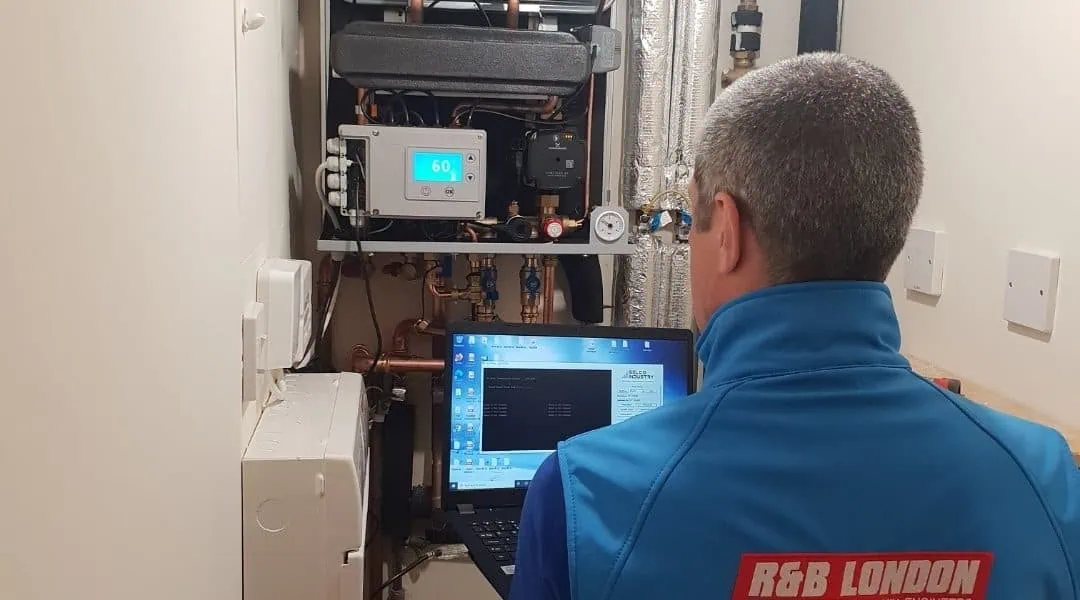


Heat Interface Units (HIUs) play an important role in modern communal and district heating systems. They transfer heat from a central network to individual properties, providing domestic hot water and space heating without requiring a traditional individual boiler. Like any mechanical system, an HIU can develop faults over time. When problems occur, professional HIU repair London services can help identify the underlying cause and restore reliable performance.
Understanding common HIU problems can help property owners, landlords, facilities managers, and residents recognise warning signs early. Prompt attention can prevent minor issues from developing into more disruptive and expensive faults.
Understanding How an HIU Works
An HIU acts as an interface between a central heating network and an individual property. Instead of generating heat independently, it receives thermal energy from the primary network and transfers it through heat exchangers.
Different components work together to provide heating and hot water. These may include heat exchangers, control valves, filters, temperature sensors, pumps, meters, and electronic controls. Because these components operate as a connected system, a problem with one part can affect overall performance.
Professional HIU repair London specialists can assess these components systematically rather than simply replacing parts without identifying the actual fault.
Common HIU Problems in London Properties
HIU faults can present themselves in several ways. Some problems are obvious, while others develop gradually and may initially appear to be minor changes in heating or hot water performance.
Inconsistent Hot Water
One common complaint is hot water that becomes warm or cold unexpectedly. This can result from restricted flow, temperature sensor problems, control valve issues, or a heat exchanger that is not transferring heat efficiently.
A qualified engineer can inspect the unit, measure temperatures, assess flow conditions, and determine which component is affecting performance. Addressing the underlying cause can help restore a more consistent hot water supply.
Poor Heating Performance
Radiators that remain cold or take longer than usual to heat may indicate an HIU-related problem. The issue could involve circulation, valves, sensors, system pressure, or the wider primary heating supply.
It is important not to assume that every heating problem originates inside the HIU. Professional diagnosis considers both the unit and the wider heating system. This approach helps ensure that repairs address the actual source of the problem.
Unusual Noises
Unusual sounds can also indicate that an HIU requires attention. Buzzing, humming, vibrating, clicking, or other unfamiliar noises may be associated with pumps, valves, trapped air, loose components, or flow-related issues.
Ignoring persistent noises may allow a developing mechanical problem to become more serious. During HIU repair London, engineers can investigate unusual sounds and inspect relevant components for signs of wear or malfunction.
Loss of Pressure and Flow Issues
Flow problems can have a noticeable impact on heating and hot water. Restricted filters, partially closed valves, system restrictions, or problems elsewhere in the network can reduce the amount of heat reaching the HIU.
A professional inspection can include checking flow temperatures, return temperatures, valves, filters, and other relevant components. Cleaning or replacing an appropriate component may resolve the problem when a blockage or restriction is identified.
Faulty Valves and Actuators
Control valves regulate how heat moves through the HIU. If a valve becomes stuck, damaged, or incorrectly controlled, heating or hot water performance can suffer.
Actuators are responsible for operating certain valves electronically. Electrical faults, mechanical wear, or control problems can prevent them from responding correctly.
A trained engineer can test valve operation and determine whether adjustment, repair, or replacement is appropriate.
Problems With Sensors and Controls
Modern HIUs rely on sensors and electronic controls to monitor and regulate temperatures. A faulty sensor may provide inaccurate information, causing the system to behave incorrectly.
For example, the HIU may incorrectly detect the temperature of incoming or outgoing water and adjust its operation unnecessarily. Electronic control faults can produce inconsistent heating or hot water and may also generate fault codes.
Professional HIU repair London services can include diagnostic testing to identify sensor and control issues. Engineers can inspect connections, test components, interpret fault indications, and replace defective parts when required.
Leaks Around the HIU
Water leaks should never be ignored. Even a small leak can cause damage to surrounding surfaces, cabinets, walls, or flooring if it continues for an extended period.
Leaks may originate from connections, valves, seals, pipework, or internal components. The first priority is to identify where the water is coming from and determine why the leak has developed.
Depending on the situation, an engineer may tighten or replace connections, renew seals, repair affected components, or recommend further investigation. Prompt professional attention can reduce the risk of secondary property damage.
Blocked Filters and Reduced Efficiency
HIUs depend on suitable water flow to operate correctly. Filters can collect debris and contaminants over time, restricting circulation.
A restricted filter may contribute to reduced heating output, inconsistent hot water, or unusual temperature differences between supply and return connections.
During routine maintenance or repair, engineers can inspect accessible filters and clean or replace them where appropriate. Keeping relevant components clean can support reliable operation and help identify developing problems before they become significant.
Why Professional Diagnosis Matters
HIU systems can appear relatively compact, but they contain multiple interconnected components. Attempting to diagnose a fault based only on one symptom can lead to unnecessary part replacements or missed problems.
Professional engineers use systematic diagnostic procedures. They can review the reported symptoms, inspect the HIU, check temperatures and flow conditions, examine controls, and test individual components.
This approach is particularly useful in apartment developments and multi-property buildings, where an HIU problem may affect residents’ comfort and property operations.
Repair Versus Component Replacement
Not every HIU fault requires a complete replacement of the unit. In many situations, the problem can be resolved by repairing or replacing a specific component.
For example, a faulty sensor, valve, actuator, pump, or seal may be responsible for the issue. Replacing the affected component can restore operation without unnecessarily replacing the entire system.
However, the appropriate solution depends on the condition, age, configuration, and manufacturer specifications of the HIU. A professional assessment should determine whether repair or replacement is more suitable.
Preventing Recurring HIU Problems
Repairs are important, but prevention can be equally valuable. Regular servicing and inspection can help identify worn components, restricted filters, control problems, and other developing issues.
Property managers can also encourage residents to report changes in heating or hot water performance promptly. Early reporting gives engineers an opportunity to investigate problems before they become major failures.
Keeping records of previous repairs can also help identify recurring faults. If the same component repeatedly fails, a deeper investigation may be necessary to determine whether another underlying issue is contributing to the problem.
Choosing HIU Repair Services in London
When arranging HIU repair London, property owners and managers should look for appropriately qualified professionals with experience working with HIU systems and communal heating environments.
Relevant experience matters because HIUs can vary by manufacturer, model, installation design, and system configuration. Engineers should be able to diagnose faults carefully and explain the recommended repair clearly.
A professional service should also prioritise safe working practices and appropriate replacement components. Clear communication is particularly important for landlords and facilities managers responsible for multiple properties.
Conclusion
HIUs provide an efficient way to deliver heating and hot water in many modern London developments, but like any technical system, they require proper maintenance and timely repairs. Problems such as inconsistent hot water, poor heating, unusual noises, flow restrictions, faulty valves, sensor issues, and leaks can all affect performance.
Professional HIU repair London services can help identify the underlying cause of these problems and determine whether a component needs adjustment, repair, cleaning, or replacement. Combining prompt fault diagnosis with regular maintenance can support dependable HIU operation, improve resident comfort, and help property managers maintain efficient heating systems over the long term.